Steady Support on Every Mile: Serving at an Aid and Hydration Station During the Missoula Marathon


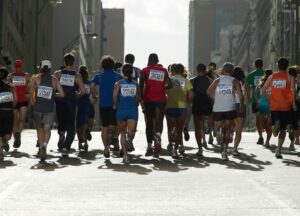
The Missoula Marathon is more than a race; it is a citywide celebration of endurance, commitment, and community pride. Each summer, runners travel from near and far to experience a course known for its scenic beauty and welcoming atmosphere. While athletes prepare for months to reach the starting line, their success on race day depends greatly on the volunteers who support them along the route. Among the most vital volunteer roles is working at an aid and hydration station.
Serving at an aid or hydration station places volunteers at the heart of the marathon experience. These stations provide essential water, electrolyte drinks, and moral support to runners navigating physical and mental challenges. The work is fast-paced and physically demanding, but it is also deeply rewarding, offering volunteers a meaningful way to contribute to one of Missoula’s most anticipated annual events.
The Critical Role of Hydration in Marathon Running
Hydration is fundamental to marathon performance and safety. As runners log mile after mile, they lose significant amounts of fluid and electrolytes through sweat. Without proper replacement, dehydration can lead to fatigue, cramping, dizziness, and more serious medical issues.
Aid and hydration stations act as strategic support points along the course. They allow runners to refuel quickly and continue forward with renewed energy. A reliable hydration station helps runners maintain their pace and confidence, making it an indispensable part of the race infrastructure.
Preparing for the Volunteer Experience
Volunteers assigned to hydration stations receive guidance before race day to help them understand their responsibilities. This preparation includes learning how to set up the station, properly handle drinks, and follow safety protocols. Being informed ensures that the station operates efficiently and consistently throughout the event.
Physical preparation is equally important. Volunteers should be ready to stand, walk, and work continuously for several hours. Dressing in comfortable, weather-appropriate clothing and staying hydrated themselves helps volunteers remain focused and effective from start to finish.
Early Morning Setup and Organization
Race day begins early for aid station volunteers. Arriving before the runners ensures there is enough time to set up tables, arrange supplies, and prepare hundreds of cups. Water and electrolyte drinks must be clearly marked and placed for easy access.
An organized setup helps prevent bottlenecks when runners arrive in groups. Thoughtful spacing, clear signage, and accessible trash and recycling bins keep the area safe and efficient as the race intensifies.
Teamwork at the Station
Teamwork is essential for managing the high volume of runners passing through hydration stations. Volunteers often rotate roles: some fill cups, others hand them out, and others monitor supply levels and cleanliness. Clear communication keeps everyone aligned and responsive.
A strong team dynamic also boosts morale. Volunteers encourage one another, share responsibilities, and adapt quickly to changing needs. This cooperation reflects the broader spirit of the Missoula Marathon and strengthens the volunteer experience.
Providing Encouragement to Runners
Beyond hydration, volunteers offer emotional support that can make a significant difference. A kind word, smile, or cheer can help runners push through moments of doubt or exhaustion. These small gestures often carry more weight than volunteers realize.
Each interaction is brief but meaningful. Whether a runner grabs a cup without slowing down or pauses for a moment of eye contact and thanks, volunteers become part of the runner’s journey, contributing to the supportive atmosphere that defines the Missoula Marathon.
Ensuring Safety Along the Course
Safety is a shared responsibility at aid stations. Volunteers remain alert for signs of distress, such as confusion, overheating, or unsteady movement. Promptly alerting medical staff ensures that runners receive appropriate care when needed.
Maintaining a clean station is equally important for safety. Clearing discarded cups and spills helps prevent slips and falls. A well-managed environment protects both runners and volunteers while keeping the race flowing smoothly.
Responding to Weather Conditions
Weather can significantly impact marathon day, and volunteers must be prepared to adapt. On hot days, runners may need more frequent hydration, which can speed up service. Volunteers must stay organized and efficient to meet heightened demand.
Cool or rainy conditions present different challenges, such as keeping supplies dry and volunteers warm. Flexibility and teamwork help ensure that the station continues to function effectively regardless of weather changes.
Supporting Runners at Different Stages of the Race
Runners’ needs evolve throughout the marathon. Early in the race, participants may appear energized and focused. As miles accumulate, fatigue becomes more noticeable, and hydration stations become increasingly important.
Later runners often rely heavily on the support provided at these stations. Volunteers who remain patient, attentive, and encouraging until the final runner passes demonstrate respect and commitment to every participant’s effort.
The Emotional Rewards of Volunteering
Volunteering at a hydration station offers powerful emotional rewards. Witnessing runners overcome physical limits, celebrate personal milestones, and display resilience can be deeply inspiring. These moments often stay with volunteers long after the event ends.
Many volunteers describe a strong sense of fulfillment from knowing they played a role in someone else’s success. The gratitude expressed by runners reinforces the impact of service and strengthens connections within the community.
Community Building Through Service
The Missoula Marathon brings together people from diverse backgrounds with a shared purpose. Working at an aid station fosters connections among volunteers, runners, and spectators, creating a sense of unity and shared accomplishment.
These experiences often lead to lasting involvement. Volunteers may return year after year, forming traditions and friendships that extend beyond race day. The marathon reflects Missoula’s commitment to community engagement.
Skills Developed Through Volunteering
Serving at an aid and hydration station helps volunteers develop valuable skills. Teamwork, communication, and adaptability are essential in the fast-paced environment of race day. Volunteers also practice problem-solving under pressure.
Additionally, volunteers gain insight into event logistics and coordination. Understanding how individual roles contribute to a successful marathon builds appreciation for organization and collective effort.
The Backbone of a Successful Marathon
Aid and hydration station volunteers are essential to the Missoula Marathon’s success. Without their dedication, runners would lack the consistent support needed to compete safely and confidently.
By giving their time and energy, volunteers uphold the values of service, cooperation, and community pride. Their contributions ensure that the marathon remains a positive and memorable experience for everyone involved.
A Lasting Way to Be Part of the Event
Volunteering at an aid and hydration station offers a meaningful way to participate in the Missoula Marathon. It provides a close-up view of determination, perseverance, and community spirit in action.
For those seeking a rewarding volunteer experience, this role offers both challenge and inspiration. It captures the heart of the marathon and leaves volunteers with a lasting sense of purpose and connection to Missoula.